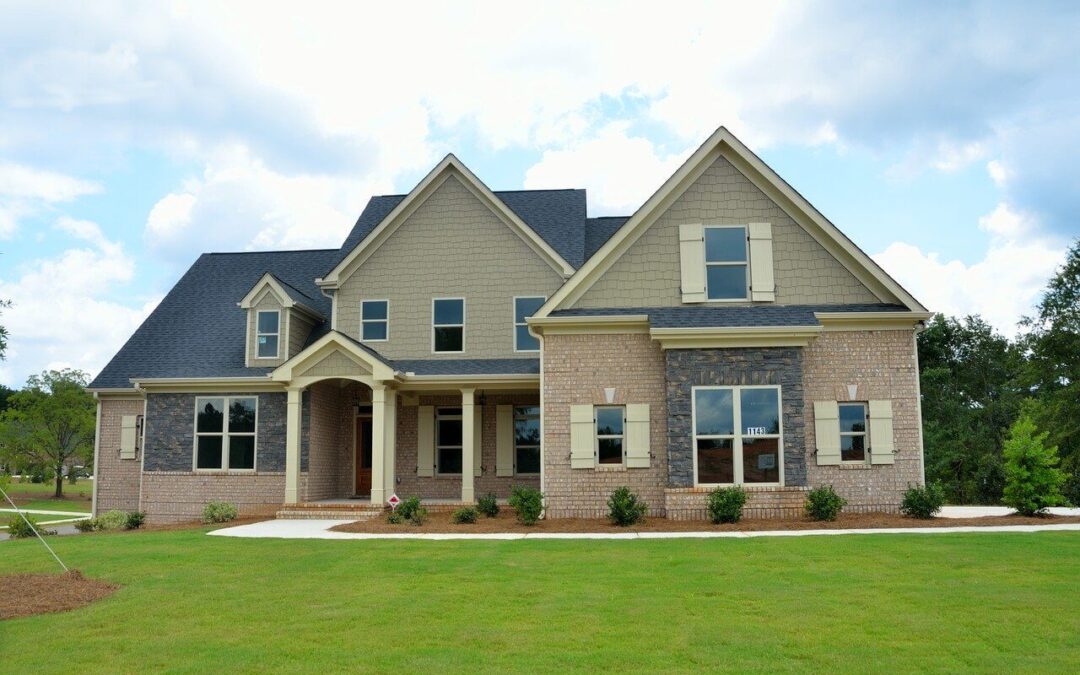
Buying a newly-built home feels like it should be the simplest version of the homebuying process: no sellers with emotional attachments, no decades of deferred maintenance to negotiate around, and a warranty that seems to cover everything that could go wrong in the first year. In practice, buying a newly-built home comes with its own distinct set of risks, pressures, and decisions that catch unprepared buyers off guard. The builder’s sales office represents the builder’s interests, not the buyer’s. The warranty covers what it covers on the builder’s terms. And new construction doesn’t mean defect-free construction. Approaching the purchase with the same due diligence discipline that a resale purchase requires is what produces a positive outcome rather than a frustrating one.
What Every Buyer Should Know Before Purchasing a Newly-Built Home
Most buyers purchasing a newly-built home assume the builder’s contract is non-negotiable. In reality, builder contracts have more flexibility than the sales office suggests: upgrades, closing cost contributions, lot premiums, and specific features are all items builders negotiate, particularly in slower markets or communities with unsold inventory. What is typically less negotiable is the builder’s preferred lender and title company; incentives to use these vendors are worth evaluating, but buyers should confirm the overall financing terms are competitive. Reviewing the contract with a real estate attorney before signing is the step that most protects the buyer’s interests, particularly for warranty terms, dispute resolution provisions, and the builder’s right to make specification changes during construction.
Get an Independent Inspection
The most commonly skipped step in the purchase of a newly-built home is the independent inspection, because buyers assume new construction doesn’t warrant it, or that the builder’s quality control is sufficient. Neither is accurate. New construction produces its own deficiencies: grading and drainage issues, HVAC systems not balanced for the home’s load, plumbing and electrical rough-in errors that pass code but don’t perform optimally, and finish deficiencies easier to document before closing than to obtain remediation for after. A phase inspection, conducted before drywall, when framing and rough systems are still visible, catches the most significant conditions while they’re accessible. A final inspection before closing evaluates the completed home and produces a documented list for warranty claims or closing conditions. Both together provide the independent assessment the builder’s walkthrough cannot replicate.
What a Newly-Built Home Warranty Actually Covers
A new home warranty is more limited than most buyers expect and understanding its terms before closing is significantly more useful than reading them after a problem develops. Most builder warranties cover cosmetic defects for a limited period, major systems for a longer period, and structural defects for the longest period. What the warranty covers and how claims are processed vary significantly by builder, and the dispute resolution process, many builder warranties require arbitration rather than litigation, is a term that affects the buyer’s options if a significant defect emerges and the builder declines to address it. The warranty period is also the window during which the 11-month warranty inspection is most valuable. This inspection, performed by an inspector before the one-year warranty expires, identifies conditions that developed during the first year of occupancy and documents them while the builder is still contractually obligated to address them. It’s the due diligence step that most buyers don’t know exists and that most who complete it are glad they ordered.
Frequently Asked Questions (FAQs)
Do I need a real estate agent to buy a new construction home?
Yes, it is highly recommended. A buyer’s agent works for the buyer, not the builder. The builder’s sales agent represents the builder’s interests regardless of how helpful they appear. An experienced buyer’s agent will evaluate contract terms, negotiate upgrades and incentives, and advocate throughout the process.
What is an 11-month warranty inspection and why does it matter?
An 11-month warranty inspection is an independent inspection performed near the end of the builder’s first-year warranty period. The 11-month inspection identifies conditions that developed during occupancy while the builder is still obligated to address them. Conditions documented before the one-year warranty expires are warranty claims; the same conditions after expiration are the homeowner’s expense.
Can I negotiate the price on a newly-built home?
Base price negotiation is less common because it affects comparable sales data for other lots. What builders are often willing to negotiate are lot premiums, upgrade packages, and closing cost contributions, particularly in slower markets or communities with unsold inventory. A buyer’s agent with new construction experience is the most effective advocate for maximizing the value of the negotiation.
Why should I get an inspection on a new construction home?
New construction produces its own category of conditions: grading and drainage issues, HVAC performance deficiencies, plumbing and electrical errors, and finish deficiencies are all conditions independent inspections regularly document. The builder’s walkthrough is a familiarization process, not an independent evaluation; it doesn’t carry the documented professional weight that a new construction home inspection produces for warranty claims and closing negotiations.
What should I look for when reviewing the warranty?
Review the coverage period for each defect category, what is explicitly excluded, the claim filing process and builder response timeline, and the dispute resolution mechanism, specifically whether the warranty requires binding arbitration rather than litigation. The warranty’s transferability to a subsequent buyer is also worth confirming, as it affects both the home’s marketability and the protection available to a future buyer.
St. James Home Services, Inc. provides new construction home inspections in Durham, Alamance, Caswell, Chatham, Franklin, Granville, Orange, Person, Vance, and Wake Counties of North Carolina. If your area is not listed, please call us. Contact us to schedule our services.