Saving energy at home is one of the most practical ways to reduce monthly expenses while creating a more comfortable living environment. For homeowners, learning how to save doesn’t require major renovations or expensive upgrades. Simple changes in daily habits and a few strategic improvements will make a noticeable difference. By focusing on efficiency and mindful usage, it becomes easier to save energy and maintain a home that is both cost-effective and environmentally responsible.
Understanding How to Save Energy Effectively
The first step toward improving efficiency is understanding where energy is being used. Heating, cooling, lighting, and appliances are the main contributors to household energy consumption. Identifying areas of waste allows homeowners to make targeted improvements. Even small adjustments, such as turning off unused lights or unplugging devices, will help save energy over time. Awareness is key, as it encourages better habits and smarter decisions that lead to long-term savings.
Save Energy with Efficient Lighting
Lighting is one of the easiest areas to improve. Replacing traditional bulbs with energy-efficient options can significantly reduce electricity usage. LED bulbs, for example, consume less power and last longer than conventional lighting. Maximizing natural light during the day also helps reduce reliance on artificial lighting. Simple steps like opening curtains or using lighter-colored interiors can make spaces brighter. These changes make it easier to save energy without compromising comfort.
Upgrading Appliances to Save Energy
Household appliances play a major role in energy consumption. Older appliances tend to use more electricity compared to modern, energy-efficient models. Upgrading to newer appliances lead to noticeable savings over time. Using appliances wisely is equally important. Running full loads in dishwashers and washing machines, and avoiding unnecessary usage, helps save energy while maintaining efficiency.
Insulation and Sealing for Better Efficiency
Proper insulation is essential for maintaining indoor temperatures. Poor insulation allows heat to escape in winter and enter during summer, increasing the need for heating and cooling systems. Sealing gaps around doors and windows will prevent air leaks and improve overall efficiency. These improvements make it easier to save energy by reducing the strain on HVAC systems.
Smart Thermostat Tips to Save Energy
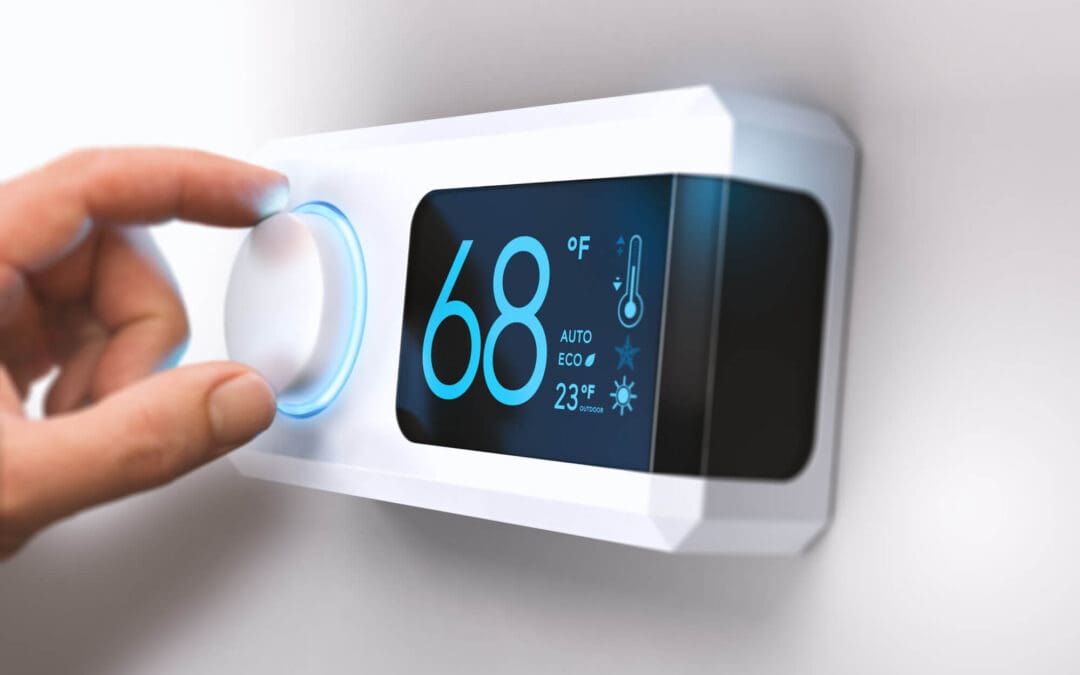
Heating and cooling systems account for a significant portion of energy use. Installing a programmable or smart thermostat allows homeowners to control temperatures more efficiently. Adjusting the thermostat when the home is unoccupied reduces unnecessary energy consumption. Maintaining moderate temperature settings helps save energy while keeping the home comfortable.
Water Usage and Energy Savings
Hot water usage is another area where energy can be conserved. Reducing water heater temperature and using water-efficient fixtures can lower energy consumption. Simple habits, such as taking shorter showers and fixing leaks promptly, contribute to overall savings. Managing water usage is an effective way to save energy without major changes.
Daily Habits That Help Save Energy
Consistent habits play a crucial role in reducing energy use. Turning off appliances when not in use, using power strips, and maintaining equipment regularly can prevent unnecessary waste. Encouraging all household members to adopt energy-saving practices ensures better results. Over time, these small actions add up, making it easier to save energy and reduce utility bills.
Long-Term Investments for Energy Efficiency
While simple changes are effective, long-term investments provide even greater benefits. Installing solar panels, upgrading insulation, or replacing old windows can significantly improve efficiency. These upgrades may require an initial investment, but they often lead to substantial savings in the long run. Homeowners looking to save energy will benefit from combining short-term habits with long-term improvements.
Choosing to save energy at home is a smart decision that benefits both homeowners and the environment. By making small adjustments, upgrading key systems, and maintaining consistent habits, it’s possible to create a more efficient and cost-effective living space. Every step taken contributes to long-term savings and improved comfort. With the right approach, energy efficiency becomes a natural part of everyday living.
Frequently Asked Questions (FAQ)
What is the easiest way to save energy at home?
Switching to LED lighting and turning off unused appliances are among the simplest and most effective steps.
Do energy-efficient appliances really make a difference?
Yes, they use less electricity and can significantly reduce energy bills over time.
How can I reduce heating and cooling costs?
Improving insulation, sealing air leaks, and using a smart thermostat can help lower these costs.
Is it expensive to make a home energy-efficient?
Some upgrades require investment, but many energy-saving habits are low-cost or free.
How quickly can I see savings from energy improvements?
Some changes, like lighting upgrades, provide immediate savings, while others may take longer to show results.
St. James Home Services, Inc. provides home inspections in Durham, Alamance, Caswell, Chatham, Franklin, Granville, Orange, Person, Vance, and Wake Counties of North Carolina. If your area is not listed, please call us. Contact us to schedule our services.