
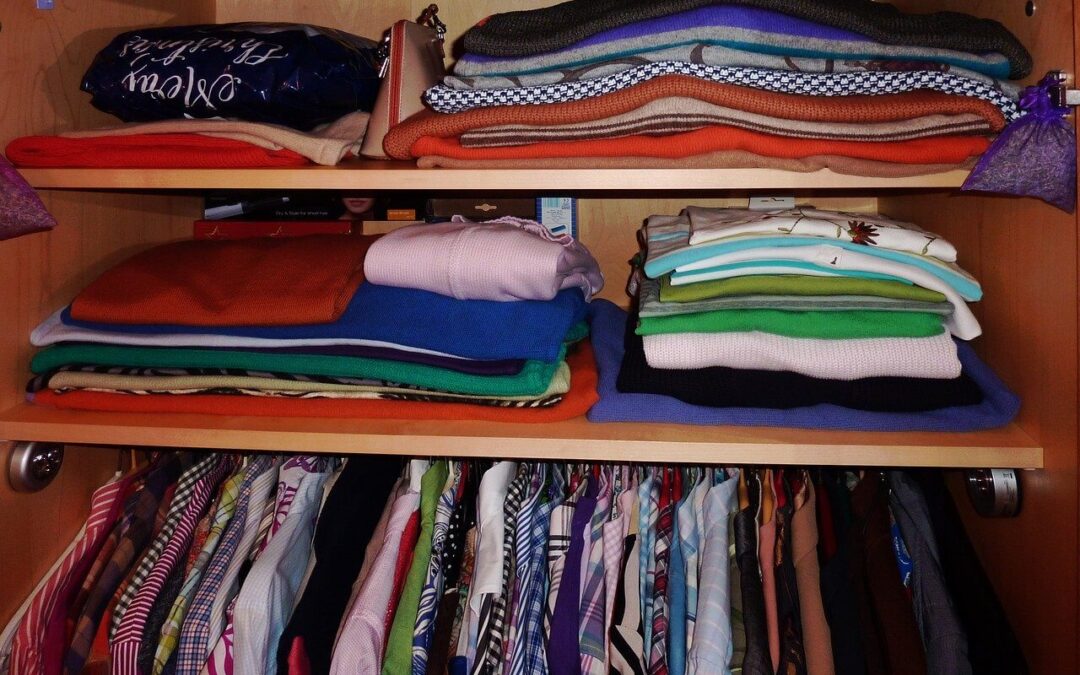
A well-organized closet is one of those small things that makes daily life measurably better. Closet organization isn’t about having a perfectly curated Instagram-worthy space; it’s about creating a system that works for how you actually live, makes what you need easy to find, and maintains itself with minimal effort. The good news is that transforming a chaotic closet doesn’t require a custom build or a significant budget. It requires the right approach, in the right order.
The Right Way to Start Any Closet Organization Project
The single most important step in any closet organization project comes before a single bin or hanger is purchased: editing what you’re keeping. Before any system can work, the closet’s contents need to be reduced to what’s actually useful, worn, or genuinely needed. Pull everything out and evaluate each item honestly. Clothes unworn for a year, duplicates, items kept out of guilt rather than use, these fill closets beyond functional capacity and make organization impossible regardless of the system you put in place. Donate, sell, or discard what doesn’t belong, and only then think about how to organize what remains.
Closet Organization Systems That Actually Work
Once editing is done, the next decision is what organizational structure fits the space and the contents. Most closets benefit from the same fundamental change: increasing the number of distinct zones and storage types rather than relying on a single rod and a shelf. Double hanging, a second rod installed below the primary one, instantly doubles hanging capacity for shorter items like shirts, jackets, and folded pants. This is one of the most impactful closet organization improvements available and costs almost nothing. Reserve full-length hanging space for dresses and long coats.
Shelf dividers create sections within existing shelving that prevent folded stacks from toppling. Clear drawer bins for accessories, socks, and smaller items eliminate the category of things that disappear into corners and never get used. The floor is one of the most consistently wasted areas in closet organization. A shoe rack or low shelving unit keeps footwear organized and visible while freeing the floor of the pile that accumulates when shoes have no designated home.
The Details That Make Organization Last
A closet organization system that looks great on day one but falls apart within a month isn’t a success. Longevity comes from a system that’s genuinely easy to maintain and habits that support it. Consistent hangers make a significant difference. Matching slim velvet hangers take up roughly a third the space of standard plastic hangers, create visual coherence, and dramatically increase hanging capacity. The small investment pays off every time you open the closet door.
Labeling shelves, bins, and drawers communicates the system to everyone who uses the closet and makes returning items to the right location effortless. Closet organization that requires active thought to maintain won’t be maintained. Seasonal rotation keeps the active closet from being overwhelmed by the full year’s wardrobe at once.
Frequently Asked Questions (FAQs)
Where do I start if my closet is completely overwhelming?
Remove everything from the closet entirely. This gives you a clear view of what you’re working with and forces an honest assessment of every item before it goes back in. Sort into keep, donate, and discard piles before anything is returned. Closet organization built on a fully edited foundation is dramatically easier than organizing around things that shouldn’t be there.
How much should I spend on organizational products?
Effective organization doesn’t require an expensive custom system; many of the most impactful improvements cost under $50. Matching slim velvet hangers, a few clear stackable bins, a shoe rack, and shelf dividers address the most common problems for very little money. Custom built-in systems make sense for heavily used walk-in closets over many years, but the same organizational principles apply regardless of budget.
How do I organize a small reach-in closet with limited space?
Maximize vertical space first, add a second hanging rod for shorter items, and use the top shelf with bins to keep it contained. Slim hangers immediately recover meaningful hanging space. Over-the-door organizers add storage without consuming the closet interior. A small drawer unit takes up less space than open shelving while keeping contents organized.
How do I keep a closet organized after I’ve set it up?
Return items to their designated location every time rather than setting them down temporarily. Temporary placement is how clutter accumulates and systems collapse. A once-a-season 20-minute review keeps the closet from gradually drifting back toward disorder. Closet organization is a maintenance practice, not a one-time project.
Should I hire a professional closet organizer or do it myself?
DIY closet organization is effective for most residential closets. The principles are the same ones professionals apply. Hiring a professional adds value in complex walk-in situations, multi-closet whole-home projects, or when the editing process feels difficult to do alone. Many professional organizers also have access to custom product lines and installation services that make the investment worthwhile for a primary walk-in closet.
St. James Home Services, Inc. provides home inspections in Durham, Alamance, Caswell, Chatham, Franklin, Granville, Orange, Person, Vance, and Wake Counties of North Carolina. If your area is not listed, please call us. Contact us to schedule our services.