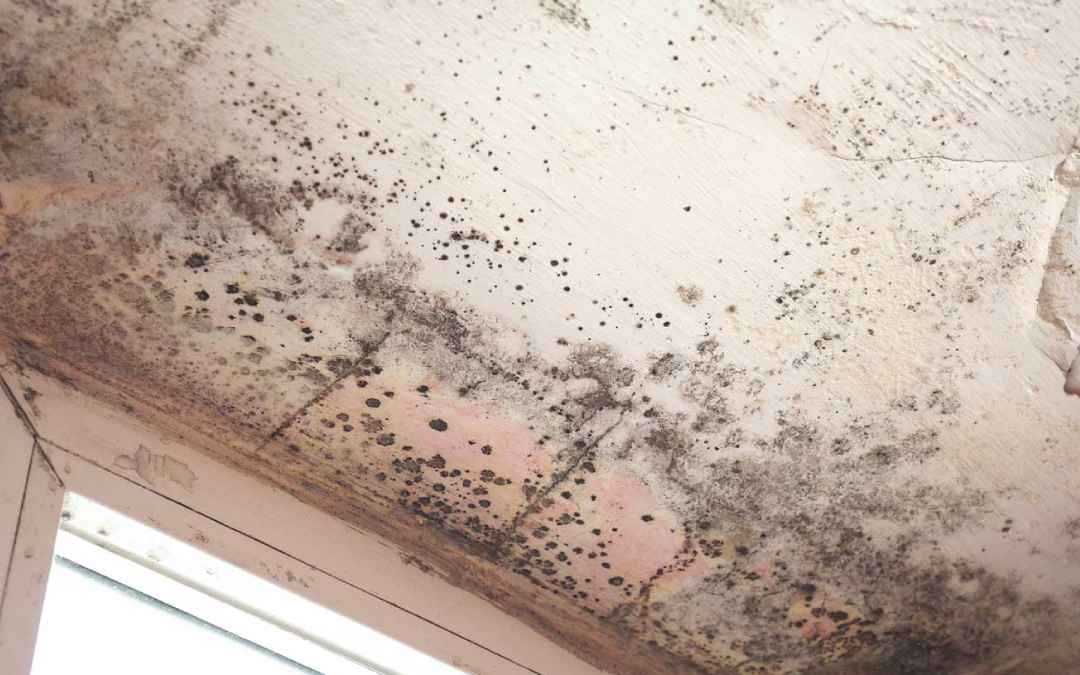
Mold has a way of sneaking into homes quietly, often growing unnoticed until it becomes a much bigger problem. Recognizing the signs of mold early could save thousands of dollars in repairs and protect the health of everyone inside. Mold thrives in damp, dark environments, and even the cleanest homes can develop issues under the right conditions. Knowing what to look for is the first step toward maintaining a safe and healthy living space. One of the most obvious signs is visible growth. Mold can appear as black, green, brown, or even white spots on walls, ceilings, grout lines, or around windows. It may look fuzzy, slimy, or powdery depending on the surface and moisture level.
However, mold is not always obvious at first glance, which is why it is important to pay attention to other warning signals. Another early indicator is a persistent musty odor. Mold produces a distinctive earthy smell that lingers in rooms, closets, or basements. If a space smells damp even after cleaning and airing it out, hidden mold may be present behind drywall, under flooring, or inside ventilation systems.
Subtle Signs of Mold Growth
Air quality shifts may be subtle but meaningful. When mold spores circulate indoors, they may irritate sensitive individuals. Increased allergy-like symptoms such as sneezing, coughing, itchy eyes, or headaches may sometimes point to a mold issue. While these symptoms alone do not confirm mold growth, they often accompany other signs of mold in the home. Humidity also plays a major role. Condensation on windows, pipes, or walls indicates excess moisture. Homes with poor ventilation in bathrooms, kitchens, or laundry rooms are especially vulnerable. Over time, constant dampness creates the perfect breeding ground for mold colonies.
Hidden Signs of Mold Behind Walls and Floors
Not all signs of mold are visible on the surface. In many cases, mold grows behind drywall, under carpets, or beneath wooden flooring. Warped walls, bubbling paint, or peeling wallpaper can signal trapped moisture. If drywall feels soft or crumbly, it may have been compromised by prolonged dampness. Flooring can also reveal problems. Buckling hardwood, loose tiles, or stained carpeting may indicate moisture intrusion below. Even small plumbing leaks under sinks or inside cabinets could create hidden mold growth that spreads before it is discovered. Water stains are another red flag. Even if the surface feels dry now, mold may have developed during the damp period. Addressing the source of moisture quickly is critical to preventing further spread.
Bathrooms, Basements, and Other High-Risk Areas
Certain areas of the home are more prone to mold growth. Bathrooms frequently develop mold around tubs, showers, and sinks due to constant humidity. Grout lines and caulking are especially vulnerable if not properly sealed or maintained. Basements are another common trouble spot. Because they sit below ground level, basements are more susceptible to water seepage and poor airflow. A damp basement with limited ventilation could quickly become a mold hotspot, particularly after heavy rainfall. Attics may also harbor mold, especially if roof leaks or improper insulation allow moisture buildup. Homeowners often overlook these spaces, allowing mold to grow undetected for long periods.
Why Acting Quickly Matters
Ignoring signs of mold could lead to structural damage and costly repairs. Mold feeds on organic materials such as wood, drywall, and insulation. Over time, it weakens structural components and compromises the integrity of walls and ceilings. Beyond property damage, mold exposure impacts indoor air quality. While not all mold types are toxic, prolonged exposure to elevated spore levels may cause discomfort. The key to prevention is moisture control. Fix leaks promptly, ensure proper ventilation, use dehumidifiers in damp areas, and monitor humidity levels. Regular home inspections, especially after water damage or flooding, will help detect early signs of mold before they escalate.
If a mold problem is suspected but not visible, professional inspection and testing may be necessary. Experts can identify hidden growth and recommend safe remediation methods tailored to the severity of the issue.
Frequently Asked Questions (FAQs)
What are the first signs of mold in a home?
The first signs of mold often include a musty odor, visible discoloration on walls or ceilings, and increased allergy-like symptoms.
Can mold grow without being seen?
Yes, mold often grows behind walls, under flooring, and inside HVAC systems. Hidden signs of mold may include peeling paint, warped surfaces, and unexplained odors that persist despite cleaning.
How quickly does mold grow after water damage?
Mold could begin growing within 24 to 48 hours in damp conditions. Quick drying and proper ventilation are crucial after any water intrusion to prevent mold from taking hold.
Is small surface mold something to worry about?
Even small patches should be addressed promptly. While minor growth on non-porous surfaces can often be cleaned, recurring mold may indicate a deeper moisture issue that needs professional attention.
When should a professional be called?
Professional help is recommended when mold covers a large area, returns after cleaning, or is suspected behind walls or under flooring. A qualified inspection ensures the problem is properly identified and safely removed.
St. James Home Services, Inc. provides home inspections in Durham, Alamance, Caswell, Chatham, Franklin, Granville, Orange, Person, Vance, and Wake Counties of North Carolina. If your area is not listed, please call us. Contact us to schedule our services.