
Drafty windows quietly undermine comfort and energy efficiency, especially during colder months. Learning how to fix drafty windows is one of the simplest ways to improve indoor comfort, reduce energy bills, and protect a home from unnecessary wear and tear. Whether the issue is subtle or obvious, addressing air leaks around windows will make a noticeable difference throughout the year.
Why Drafty Windows Are a Problem
When cold air seeps in through gaps and cracks, heating systems have to work harder to maintain a consistent indoor temperature. This leads to higher utility bills, uneven room temperatures, and increased strain on HVAC equipment. Drafts may also allow moisture inside, increasing the risk of condensation, mold growth, and damage to window frames or surrounding materials. Addressing these issues early helps preserve both comfort and the long-term value of your home.
Common Causes of Drafty Windows
Drafts usually develop over time as materials expand, contract, and wear down. Aging weatherstripping is a frequent culprit, as it can dry out, crack, or pull away from the window frame. Poor or deteriorated caulking around the window perimeter will also allow outside air to enter. In some cases, the issue may stem from warped frames, single-pane glass, or windows that were improperly installed. Identifying the source of the draft is the first step toward an effective solution.
Simple Solutions to Stop the Draft
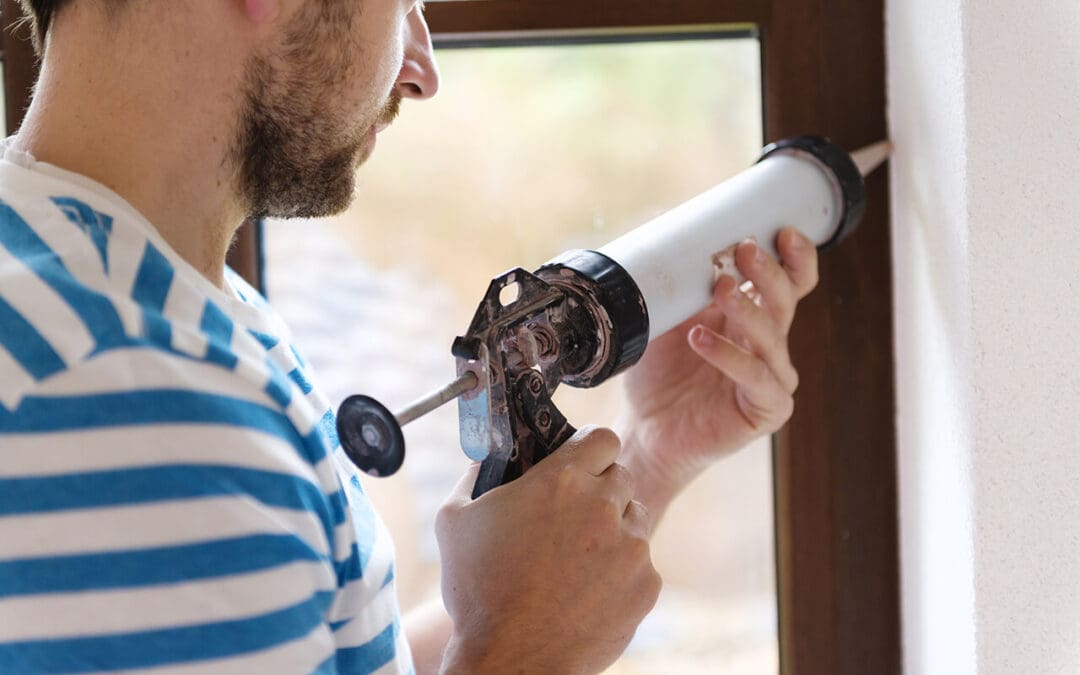
Many draft issues can be resolved with straightforward, budget-friendly fixes. Replacing worn weatherstripping around operable windows helps create a tighter seal when the window is closed. Applying fresh caulk around exterior and interior window trim will close gaps that allow air leakage. These improvements are relatively quick and significantly reduce drafts when done properly. Temporary solutions could also help during extreme weather. Window insulation film, when installed correctly, creates an additional barrier that reduces air infiltration. Draft stoppers placed along the bottom of windows could minimize airflow in problem areas, especially in older homes.
When to Fix Drafty Windows with Repairs or Upgrades
Sometimes drafts indicate deeper issues that simple sealing won’t fully resolve. Windows with rotting frames, broken seals, or single-pane glass may continue to leak air even after basic fixes. In these cases, repairing damaged components or upgrading to energy-efficient windows may be the most effective long-term option. Modern double- or triple-pane windows with low-emissivity coatings are designed to minimize heat transfer and enhance overall comfort. Upgrading windows will also enhance noise reduction, improve curb appeal, and increase resale value. While replacement is a larger investment, it often pays off through energy savings and improved performance over time.
Energy Savings and Comfort Benefits
Taking the time to fix drafty windows delivers immediate and long-term benefits. Homes often feel warmer in winter and cooler in summer once drafts are eliminated. Heating and cooling systems cycle less frequently, which can extend their lifespan and reduce maintenance costs. Many homeowners also notice fewer cold spots near windows and more consistent temperatures throughout the home. Beyond comfort and savings, sealing drafts contributes to improved indoor air quality by reducing the infiltration of outdoor pollutants, dust, and allergens. It’s a small change that will have a surprisingly significant impact on daily living.
Knowing When to Call a Professional
While many homeowners can handle basic sealing tasks, persistent drafts may require a professional evaluation. An experienced inspector or window specialist will identify hidden air leaks, assess the condition of windows, and recommend appropriate repairs or replacements. Professional guidance is especially valuable for older homes or when drafts are accompanied by moisture issues or visible damage.
Addressing drafts is a practical, effective way to improve comfort and efficiency. Taking steps to fix drafty windows helps create a more comfortable home while protecting it from unnecessary energy loss and long-term damage.
Frequently Asked Questions (FAQs)
How can drafty windows be detected?
Drafts are often noticeable as cold air near windows, rattling panes, or fluctuating room temperatures. On windy days, air movement may be easier to feel by hand. Condensation forming between panes or around frames may also signal air leakage.
Is it expensive to fix drafty windows?
The cost varies depending on the cause. Simple fixes, such as caulking or weatherstripping, are inexpensive and offer significant returns in energy savings. More extensive repairs or window replacements require a higher upfront investment but could significantly reduce long-term utility costs.
Will fixing drafts really lower energy bills?
Yes. Sealing air leaks helps maintain consistent indoor temperatures, reducing the frequency of heating and cooling system operation. Many homeowners notice measurable reductions in energy usage after addressing drafty windows.
Should drafty windows always be replaced?
Not always. Many drafts can be resolved with repairs and sealing. Replacement is typically recommended when windows are severely damaged, outdated, or inefficient, despite any necessary repairs.
St. James Home Services, Inc. provides home inspections in Durham, Alamance, Caswell, Chatham, Franklin, Granville, Orange, Person, Vance, and Wake Counties of North Carolina. If your area is not listed, please call us. Contact us to schedule our services.